


EGI in North Africa – First Steps in International Oil & Gas Exploration
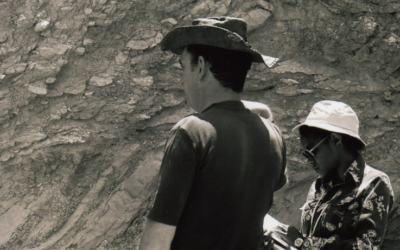
In the early 1970s, the University of South Carolina formed the Earth Sciences & Resources Institute (ESRI), part of which would become EGI. ESRI was established with an early focus on studying the geology and resource potential of North Africa. As early as 1973,...

Geoscience – What remains to be discovered?
Geoscience studies Earth as a whole, unified planetary system. To do this, over the past two centuries, geoscientists developed various methods, instruments and concepts; they have also integrated principles and knowledge from other sciences including chemistry and...
EGI Unveils Updated Corporate Associates Benefits Package
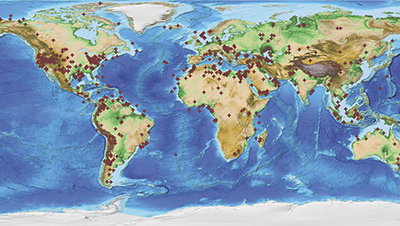
EGI is rising to meet the new needs of the energy industry. For 50 years, more than 170 corporate associate members have been a cornerstone of EGI’s work in hydrocarbon exploration and evaluation. The program has evolved over time to better serve its members with...
The University of Utah Research Institute (UURI) – Geothermal Leader and Research Hub in the Intermountain West
In 1972, the University of Utah opened a new institute dedicated to meet growing demands for research from industry, primarily in geothermal energy. Named the University of Utah Research Institute (UURI), the university founded this institute with researchers from two...
Publication Updates Q2 2022
EGI Scientists are active researchers, publishing and presenting not only through cost-shared research at EGI, but in peer-reviewed journals, scientific conferences and presentations, and to professional organizations. EGI Scientists regularly collaborate on research...
New Discoveries link Carbon Dioxide and Increased Magma Flow in Mt. Erebus
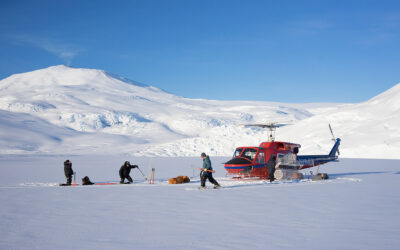
A new research study by EGI Research Professor Dr. Phil Wannamaker and collaborators from the University of Utah and the University of Canterbury New Zealand is adding to our understanding of magma flow. This study, published in Nature Communications,...